No 4 Jalan Nilam 9 . Nilam 3) pontianak, kalimantan barat 78115 tel. Alhamdulillah, kemen pupra telah menyetujui perubahan nama dari jalan layang pasupati menjadi jalan prof dr mochtar kusumaatmadja belum lama ini, kata dewi dalam keterangan resminya, sabtu, 19 februari 2022. Jenis, 24 jam, Hours, Perlis, Kedah, Perak, Langkawi from sewa-lori.com [email protected] narus and michelle d. Nilam 3) pontianak, kalimantan barat 78115 tel. Suhu udara 25 derajat celsius, kelembapan udara 85%, dan kecepatan.
Get link
Facebook
X
Pinterest
Email
Other Apps
Gram Positive And Negative Difference
Get link
Facebook
X
Pinterest
Email
Other Apps
-
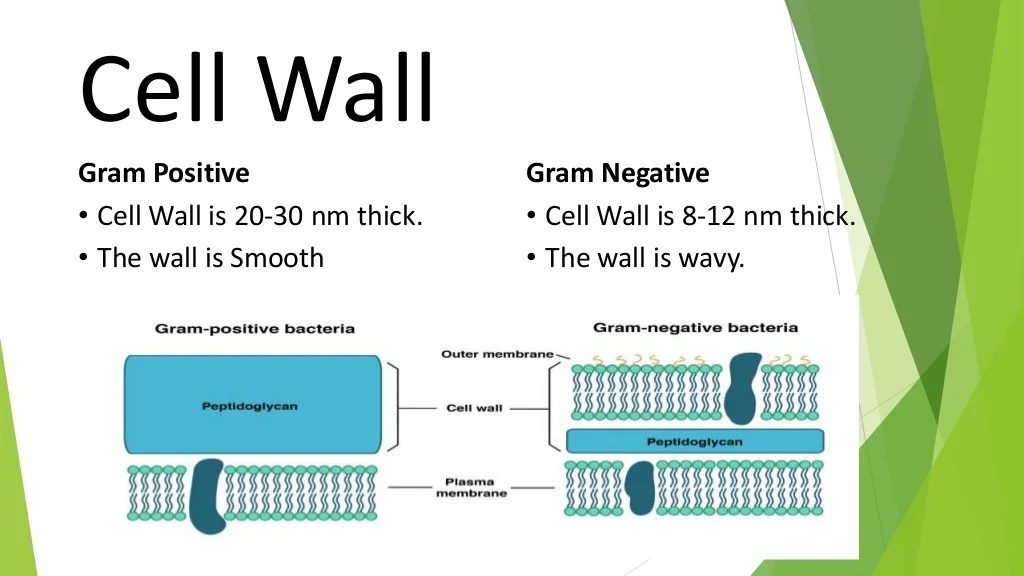
Gram Positive And Negative Difference. Gram negative bacteria have cell walls with a thin layer of peptidoglycan. The staining method uses crystal violet dye, which is retained by the thick peptidoglycan cell wall found in.
Difference between Gram Positive and Gram Negative Bacteria from www.slideshare.net
In contrast gram negative bacteria have a relatively thin (<10 nm) layer of cell wall, but harbour an additional outer membrane with several pores and appendices. The major difference between gram positive and gram negative bacteria is that gram positive bacteria have a thick peptidoglycan layer in their cell wall while gram negative bacteria have a thin peptidoglycan layer in their cell wall. If the peptidoglycan layer is thin, it's classified as gram negative.
Bacteria With Thick Peptidoglycan Are Called Gram Positive.
As gram positive bacteria lack an outer lipid membrane, when correctly referring to their structure rather than staining properties, are termed monoderms. The major difference between the two groups of bacteria is the thickness of the cell wall and the presence of an outer membrane in gram negative bacteria only. Here, we study whether these patterns follows or crosses taxonomic borders.
Structure Of Bacterial Cytoplasmic Membranes.
The key to understanding these differences is in the protective membrane, or outer covering, surrounding these bacterial organisms. Then, the bacteria can be examined under microscopes. In contrast gram negative bacteria have a relatively thin (<10 nm) layer of cell wall, but harbour an additional outer membrane with several pores and appendices.
22 Rows The Gram Positive Retain Crystal Violet Dye And Stain Blue Or Purple.
Complete the statement about peptidoglycan 5. Retain crystal violet dye and stain blue or purple on gram’s staining. Hans christian gram developed the staining method in 1884.
But Do Not Retain The Purple Colored Stain.
Most bacteria can be broadly classified as gram positive or gram negative. Apart from the peptidoglycan layer, gram negative bacteria possess an outer membrane and it is absent in gram positive bacteria. Gram negative bacteria have cell walls with a thin layer of peptidoglycan.
Gram Positive Cells Stain Purple When Subjected To A Gram Stain Procedure.
The major difference between gram positive and gram negative bacteria is that gram positive bacteria have a thick peptidoglycan layer in their cell wall while gram negative bacteria have a thin peptidoglycan layer in their cell wall. The enzyme that links sugar backbone units: If the peptidoglycan layer is thin, it's classified as gram negative.
What Is A Narrative Architecture . Narrative architecture reveals a stream of remarkable architectural and urban visions in the twentieth century that culminated in the construction of one of the most powerful, misunderstood and underutilized weapons of architectural and urban critique, thinking and representation. The approach that not many people have taken is architecture as narrative, where architecture narrates about itself and at the end itself becomes narrative. Vardehaugen AS Narrative Architecture from vardehaugen.no In the course of this analysis, i will ask myself if one ought The approach that not many people have taken is architecture as narrative, where architecture narrates about itself and at the end itself becomes narrative. To explore the relationship between narrative and architecture as well as the construction of narrative in architecture, some historical precedents can be discussed.
Gram Negative Diplococci Gram Stain . There are two main categories of bacterial infections: Cultures of sputum and blood and a nasopharyngeal swab were obtained. gram negative diplococci Neisseria Gram stain of from www.pinterest.com Gram stains may also be used to check for bacteria in certain body fluids, such as blood or urine. It is also known as counterstain. A gram stain is a test that checks for bacteria at the site of a suspected infection such as the thorat, lungs, genitals, or in skin wounds.
Any Shopping Mall Near Hanoi Hotel . If luxury accommodation, world class facilities and shopping for the season’s latest designer trends is your idea of a perfect day in kuala lumpur then read on because we have the absolutely best kuala lumpur shopping malls. Other sights in the area include ho. Foreign retailers ramp up investment in Vietnam from www.vir.com.vn A great place to explore and go sightseeing on foot, this Things to do near la sinfonía del rey hotel & spa things to do near lotte hotel hanoi things to do near imperial hotel & spa things to do near peridot grand hotel & spa things to do near solaria hotel things to do near. See reviews and photos of shops, malls & outlets in hanoi, vietnam on tripadvisor.



Comments
Post a Comment