No 4 Jalan Nilam 9 . Nilam 3) pontianak, kalimantan barat 78115 tel. Alhamdulillah, kemen pupra telah menyetujui perubahan nama dari jalan layang pasupati menjadi jalan prof dr mochtar kusumaatmadja belum lama ini, kata dewi dalam keterangan resminya, sabtu, 19 februari 2022. Jenis, 24 jam, Hours, Perlis, Kedah, Perak, Langkawi from sewa-lori.com [email protected] narus and michelle d. Nilam 3) pontianak, kalimantan barat 78115 tel. Suhu udara 25 derajat celsius, kelembapan udara 85%, dan kecepatan.
Get link
Facebook
X
Pinterest
Email
Other Apps
Bacteria In Yogurt Gram Positive Or Negative
Get link
Facebook
X
Pinterest
Email
Other Apps
-
Bacteria In Yogurt Gram Positive Or Negative. Such bacteria are found in yogurt, and are sometimes called ‘good’ bacteria. Pale reddish color after gram staining:
What is the difference between grampositive and from www.quora.com
The average human body also houses thousands of bacteria, most with no negative effects. Such bacteria are found in yogurt, and are sometimes called ‘good’ bacteria. Similar to lactobacilli these are also known for lactic acid production.
They Are Also Found In The Human Digestive Tract [10].
Bifidobacteria are present in the gastrointestinal tract of humans. This inhibits the growth of pathogenic bacteria by controlling ph levels in the intestines. There are three main bacterial shapes:
The Amino Sugar Component Consists Of.
All the rest are gram negative rods. Bacteria include all staphylococci, all streptococci and some listeria species: Gram positive bacteria stain to a purple color on a gram stain.
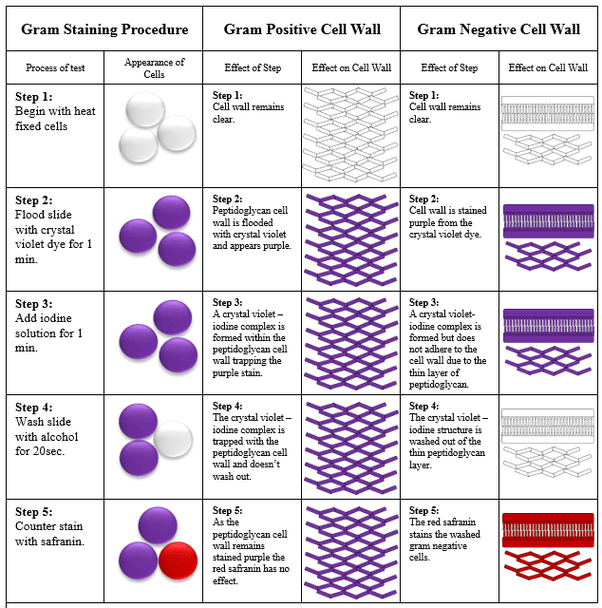
Their Peptidoglycan Layer Is Thinner, So It Doesn’t Retain The Blue Color.
What is a buffer solution? A solution that can resist ph change upon the addition of acidic or basic components. Similar to lactobacilli these are also known for lactic acid production.
More Scientifically, They Are Classified By Their Arrangement And Shape.
The increase in lactic acid decreases ph and causes the milk to clot, or form the soft gel that is characteristic of yogurt. Gram positive rods are less numerous than gram negative rods. The primary component of bacterial cell walls is peptidoglycan.
There Are Also Three Common Arrangements.
(b) in this culture, white colonies. Bacteria include enterococci, salmonella species and pseudomonas species: Actinomyces, atopobium, bacillus, bifidobacterium, clostridium, corynebacterium, erysipelothrix, gardnerella, listeria, lactobacillus, mycobacterium sp.

Comments
Post a Comment